Paula
Bangkok, Thailand & Zürich, Switzerland
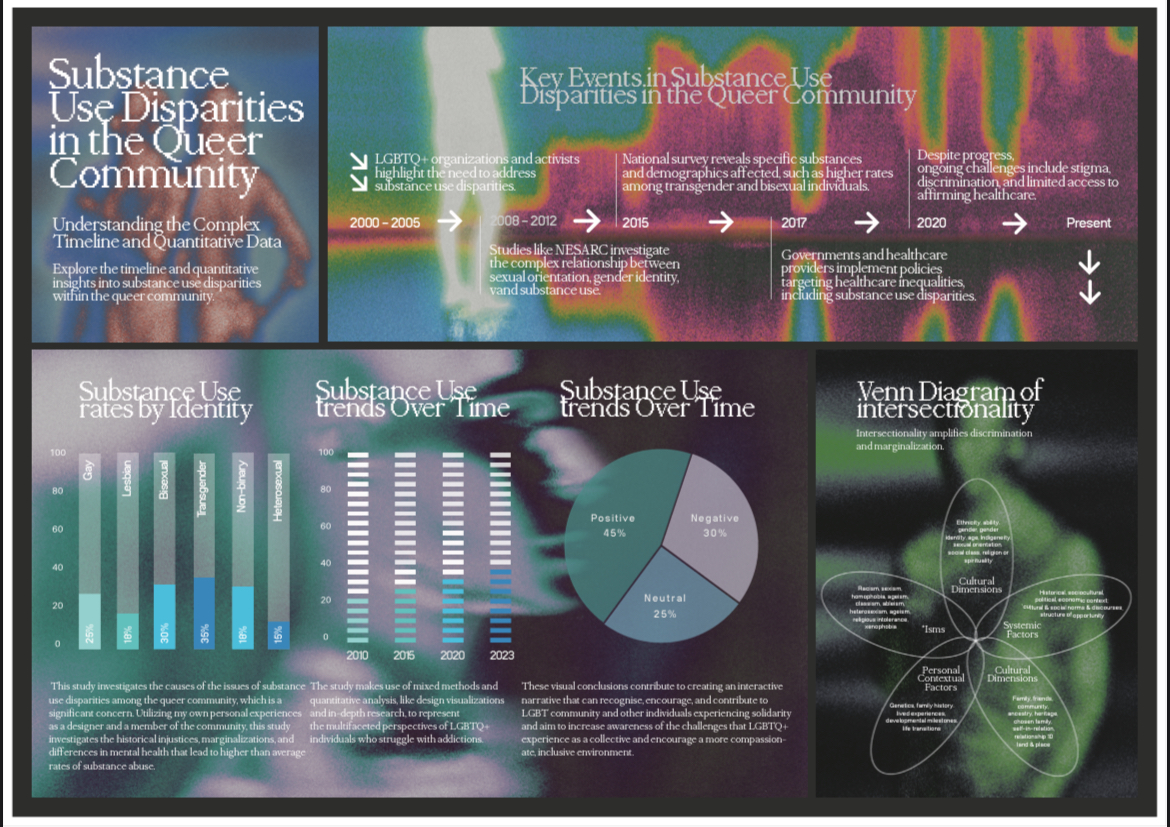
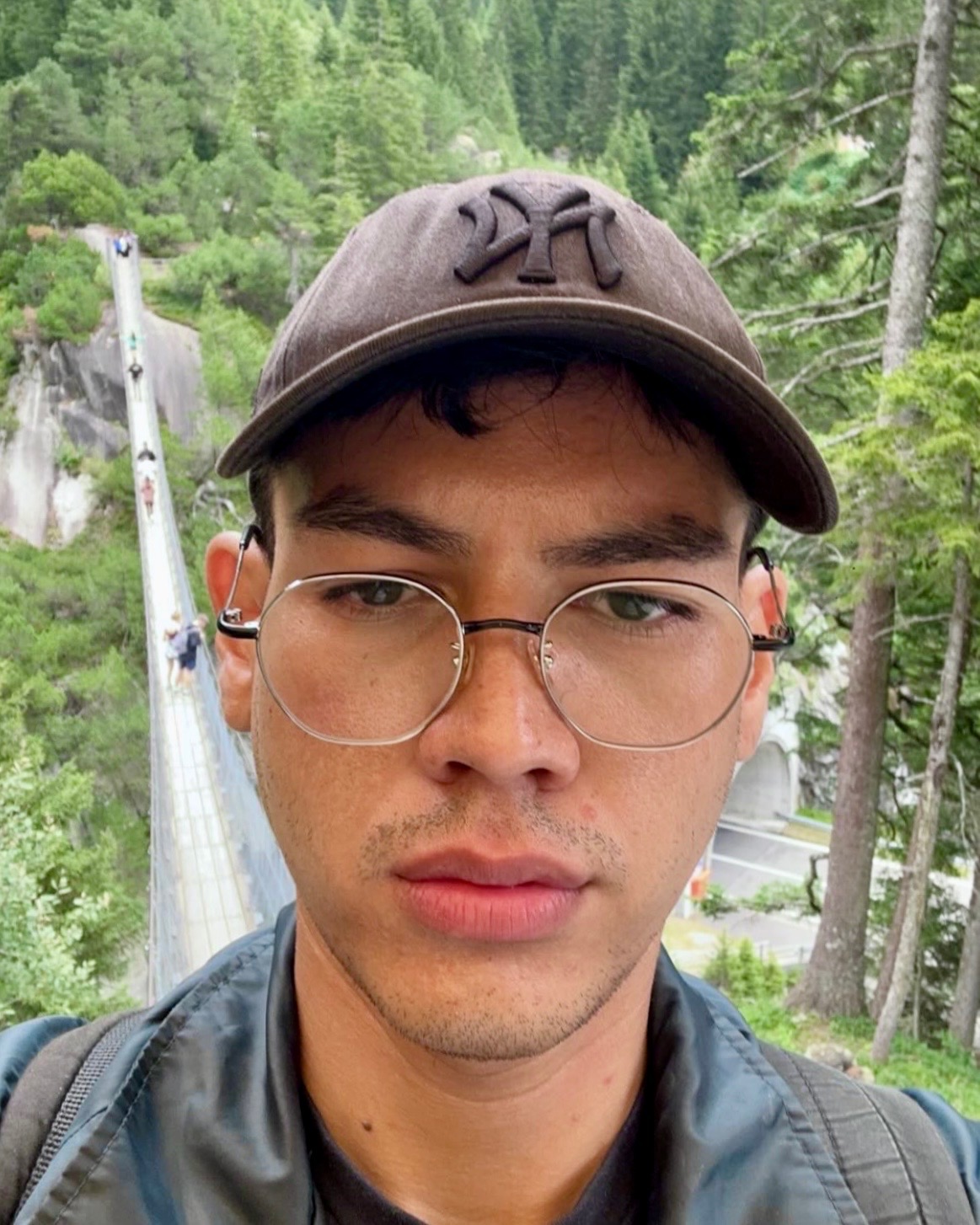
Paula is a 27-year-old, non-binary communication designer and landscape photographer based between Switzerland and Thailand. Paula grew up in Tasmania and studied design in Melbourne, and since then has been exploring how visual communication, cultural research, and queer advocacy can come together in their work. Most of what they do is around identity, intimacy, and safety, especially around queer experiences and harm reduction. Their landscape photography is very personal: living with glaucoma, they have learned to work with the blur and shifting light it brings, letting it shape how they see and capture the world. They hope their work can offer small moments of care and understanding, creating space for reflection, conversation, and connection.

Selected quotes:
“I grew up in one of the very notorious red-light districts in Thailand. … I was surrounded by a lot of queerness and a lot of lady boys and transgenders and sex workers. When people talk about sex workers or drag queens and victimize them in some way, to me, they’re empowered, those women. I saw them work very hard for their families and to provide. … A lot of people would think it’s weird for such a young kid to see sex work at an early age. But to me, what I saw was a community. It was a motherhood of people who are together and trying to raise children while also navigating that world. There was one time I was thinking about how my mom was raising me with a bottle of beer in one hand and me in the other. You know, it’s like that, it’s just a part of life, you know. It’s so important for me to destigmatize [these things]. And when I have an opportunity to work for advocacy and to help people like sex workers and the transgenders and the lady boys. It’s so important for me to let other people know that they’re also human.”
“There’ll be certain things that because of how I grew up and my upbringing that have forced me to close down and make it to where I cannot open up to a lot of my friends. So, sometimes I will use substances to open myself up more to the people I feel comfortable with or people I feel like I can connect with in a deeper level since we grew up in a similar type of circumstances.”
“[Regarding the perception on drugs] in Thailand itself, I would say it’s very [stigmatized]–like, with my parents, they even see cannabis as something that’s a drug. Recently, I saw in Thai media where they are starting to associate drug use with LGBTQ people. … [even though] in a sense Thai media is also controlled by a lot of Thai queers. … [those queers] are very commercialized queers, like commercialized gays. They want you to be clean and not party and just be this perfect gay person.”
“In Thailand, even in the queer community, there’s still a lot of stigma against drug use. Me and a lot of my friends, we, [use substances] sometimes, and there’ll be other queer people who will judge us for these kinds of activities … But you kind of erase what is really about being queer by judging who I am or judging my drug use. I think in Thailand there’s still a lot of people who are like against [drug use] because of education. Since very young, we were taught that all drugs are evil and those people who use drugs are evil. They’re the scum of this society you should never talk to them or be friends with them, but when you get to do it with your friends and explore those substances, it’s a totally different experience. It’s almost like I’ve been lied to my whole life.”
“My perspective on [harm reduction] really changed when I moved to Australia. In Australia, they provide free testing kits, or you can go to pharmacies and get testing strips and stuff, but in Thailand we don’t have that. That’s a no-no because if you have that then it’s means you are gonna use drugs–that it is enabling. … [But it] is vital you get your drugs tested. Every time I get stuff from Thailand it’s a gamble. We don’t know what the fuck’s in it.”
“Even from Switzerland, when I moved there after Australia and after I graduated from school in Thailand, when I went into the club, they provided us with a fresh paper so you can roll and sniff safely. Before we went into the club, they would explain that this is a safe space for everybody, and if you do not feel safe you can come up to any of our staff. They would test stuff for you inside the club. My mind was blown. … My perspective changed when I moved to Europe. And I was like, why can’t we do the same thing here in Thailand? Why can’t Thai queers be safe in our own space also? Because there are so many Thais that have passed away from overdosing. So many. So many friends from my community.”
“Why can’t we [have harm reduction services] here in Thailand? Why can’t Thai queers be safe in our own space also? Because there are so many Thais that have passed away from overdosing. So many. So many friends from my community.”
FULL INTERVIEW (ENGLISH):
 Labor of Love: A Global Harm Reduction Oral History Project